At Dead Walk Designs, we are interested in the emotional potential of smell for creating a visceral sense of immersion at visitor attractions. Here are a few ways we might incorporate scent into a design!
Theme Parks
In a theme park, smells can be used to create feelings of happiness and excitement. They are especially effective near the entrance, where the smell of popcorn or candy-floss can give an immediate positive impression before the day unfolds. It also helps the park because guests will be peckish when lunchtime arrives!
Smells have been used in dark rides since around the 1980s, when Disney created a Smellitzer scent cannon for the experiences at Epcot. The scents were timed to release exactly when guests passed in their vehicles. Today, with companies like AromaPrime providing specialist scenting equipment and a range of pongs, rides can include any smell you can imagine!
When scenting a ride, it is a good idea to think of the story you want to tell. If it’s an adventure ride, you could start with a calming scent to establish the setting, go for something fiery or nasty for the action in the middle, and end with an uplifting scent (like apple cakes) so guests leave on a high!
If you have a roller-coaster, you can use scents in the loading station to create a feeling of anticipation. For example, a smoky smell can trigger primal feelings of fight-or-flight!
Museums

Smell is an excellent means of bringing the past to life. It is also a beneficial engagement tool, educating visitors beyond traditional words and text. Using scent in a museum can spark very personal emotions and memories, enabling visitors to experience a strong understanding of what conditions and past events were like.
Scent diffusers can be used to create an authentic atmosphere in themed sets, but you can also incorporate smells into hands-on, interactive interpretation, such as smell boxes, multisensory toolkits, pumps or flaps.
Escape Rooms
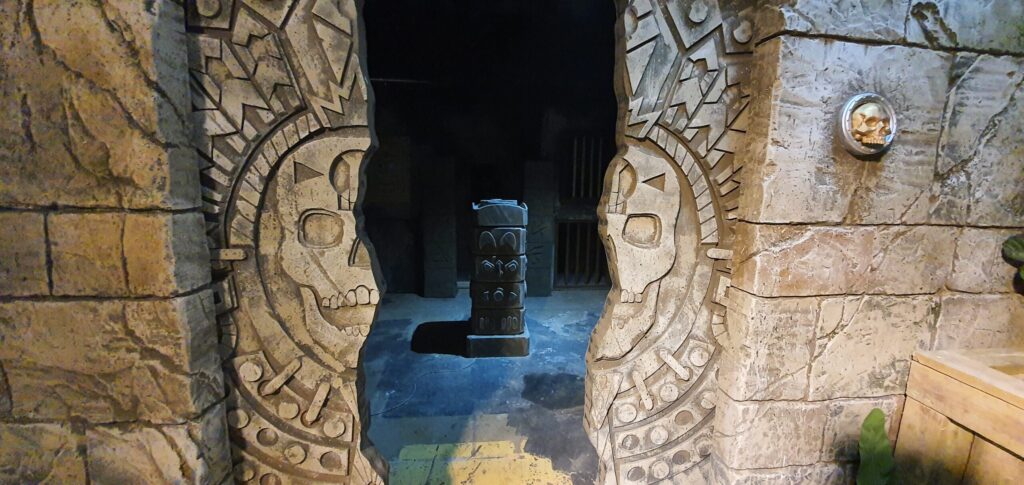
For one escape room project, we designed an experience called Temple of the Forbidden Idol, and hidden diffusers behind the walls were used to fill the rooms with immersive scents. These included the smells of a humid jungle and a musty tomb!
Smell-based puzzles can also be used in escape rooms. These often need to be designed carefully, to ensure they are as effective as possible. The Dead Walk Designs team can advise on getting this right, as well as on what to avoid!
Scare Attractions

Stenches are an immediate way to boost the feelings of fear in guests to a scare maze or haunted house! Humans have instinctive reactions to pongs like vomit and rotting flesh (for understandable reasons), and using these kinds of smells helps create a feeling of discomfort.
More sophisticated approaches can be used too, such as the application of damp smells to conjure memories of tight spaces and spark feelings of claustrophobia. Pleasant fragrances can also be used to create a false sense of security and subsequent disorientation!
Clubs
A signature scent at a club can increase customer satisfaction, while also giving your venue a memorable flavour. If your club is themed, you can also use pleasant smells associated with the storytelling, such as a yummy coconut scent for a pirate bar!
Adventure Golf
The timing settings on modern scent diffusers allow for the controlled scenting of individual holes at adventure golf venues. With this, the different themes throughout the experience can be given deeper levels of authenticity!
Dead Walk Designs keeps every sense in mind when creating an immersive experience!
Get in touch and let us know the ideas you have for your venue!