When you don’t have actors to hand, how can you incorporate characters into your themed attraction?
A character can be represented by animatronics, sculptures, theming, audio, images, props or even smells. In this article, we will show some of the instances when we’ve created or represented characters, sharing some of our thinking behind the processes.
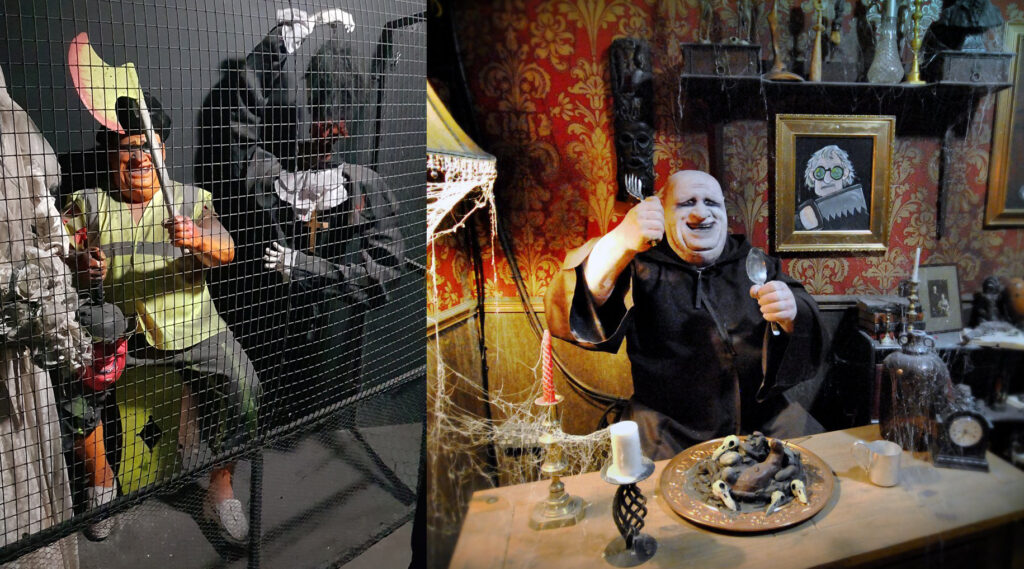
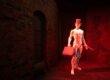
For our 2018 ghost train project, Dead Walk Designs was presented with animatronics that had some character but weren’t really tied into any consistent story. When refurbishing the ride, we transformed the animatronics so that they clearly belonged in the setting and the story. This involved repainting them in a consistent style, giving them period-appropriate clothing and making them interact with the surroundings to show that they were part of the place and not separate.
When designing a character for an attraction, a sense of quality can be achieved if it is clear the character belonged in your story from the start and wasn’t just added to fill a space.
For the ghost train, we also provided a specially made soundtrack. This included voices for the animatronic characters, as well as voices for unseen characters. If you can show a few characters visually, audio can help suggest a larger crowd without the added expense.
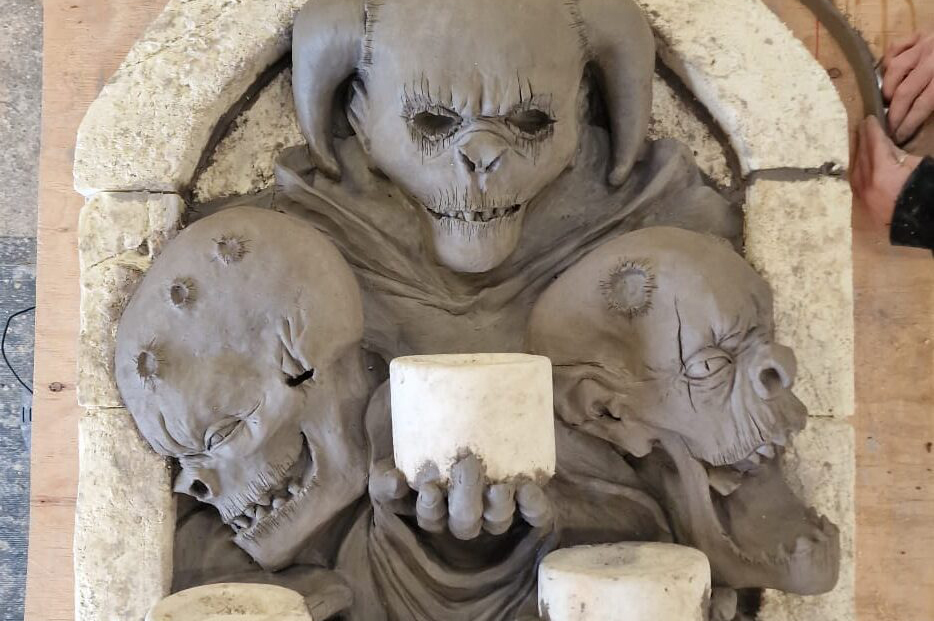
For the Gates of Hell escape room, we created character through a wall sculpture. The figures depicted had no backstories, but their appearances suggested culture and history, and perhaps some kind of community that might have lived where guests were now standing. Looking at the faces’ spooky features, and the grand way they were displayed, implied the character of the location itself.
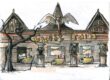
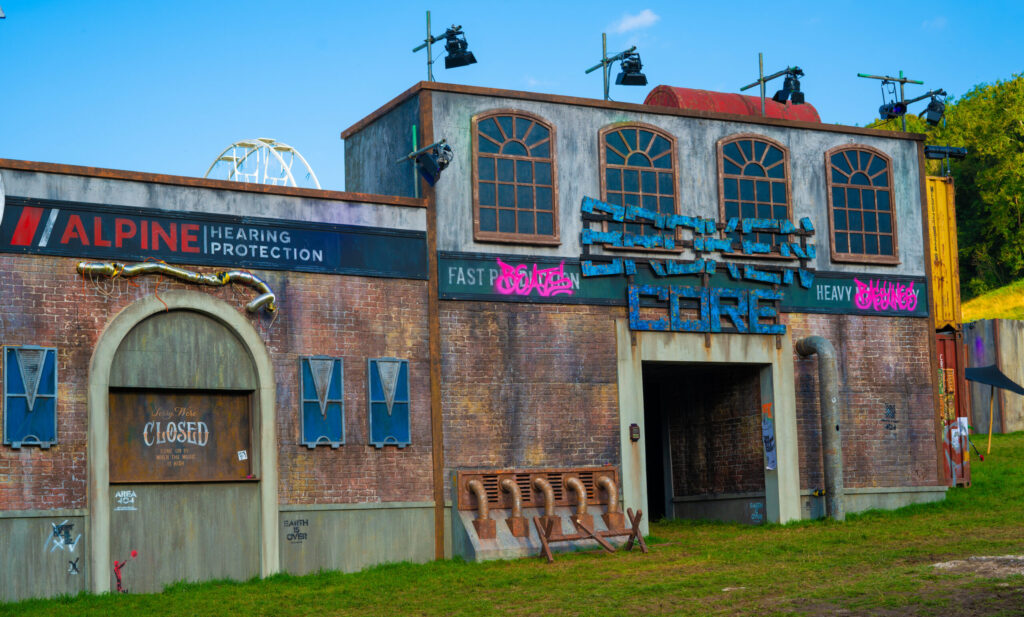
At venues like Boomtown Fair, the theming of the location is similarly used to imply layers of character. The architectural style suggests the overall context, while the graffiti and dirt suggests the attitudes of characters living here. Guests are made to feel as if those characters are around, even though they can’t be seen.
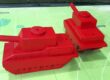
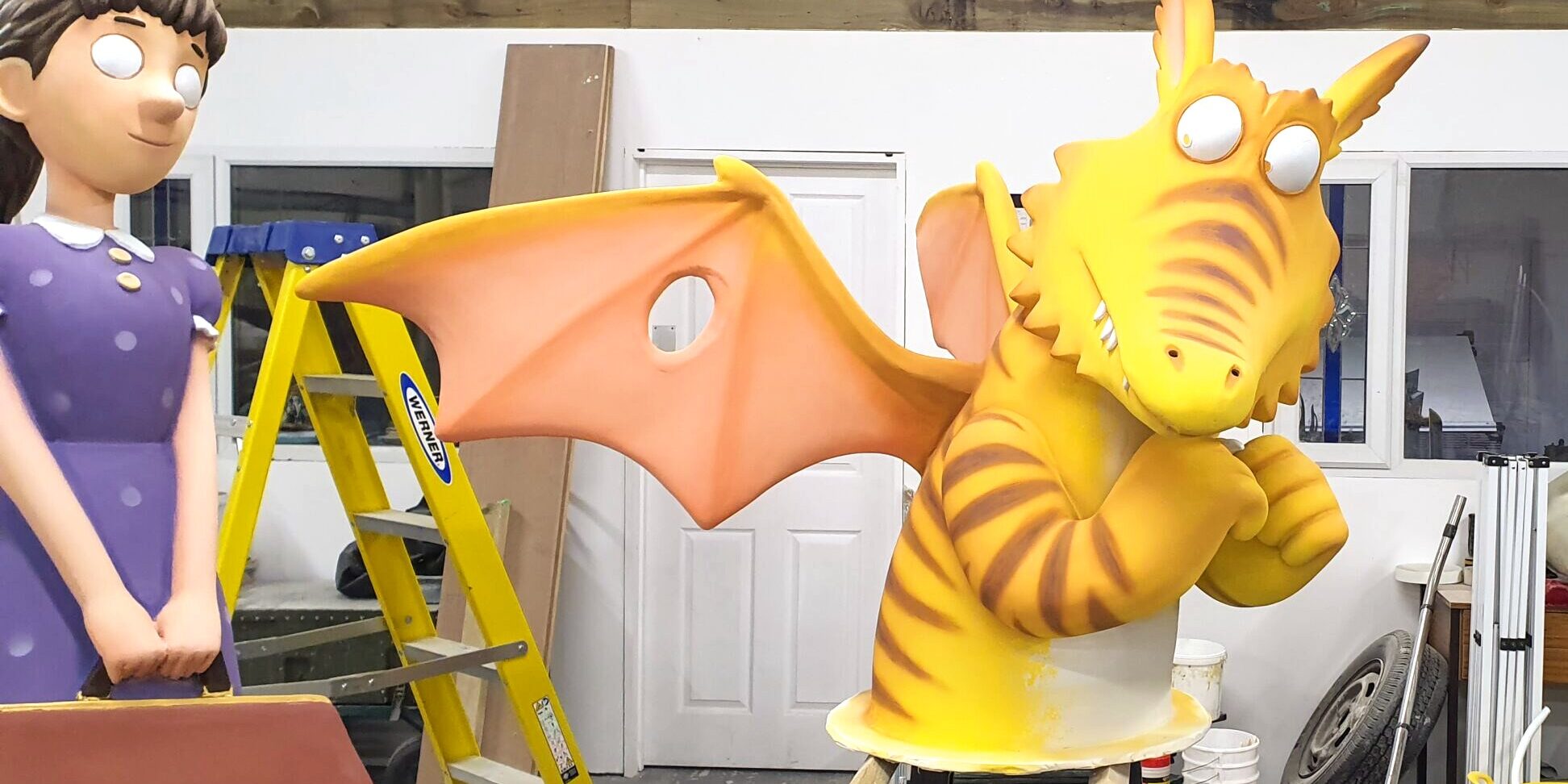
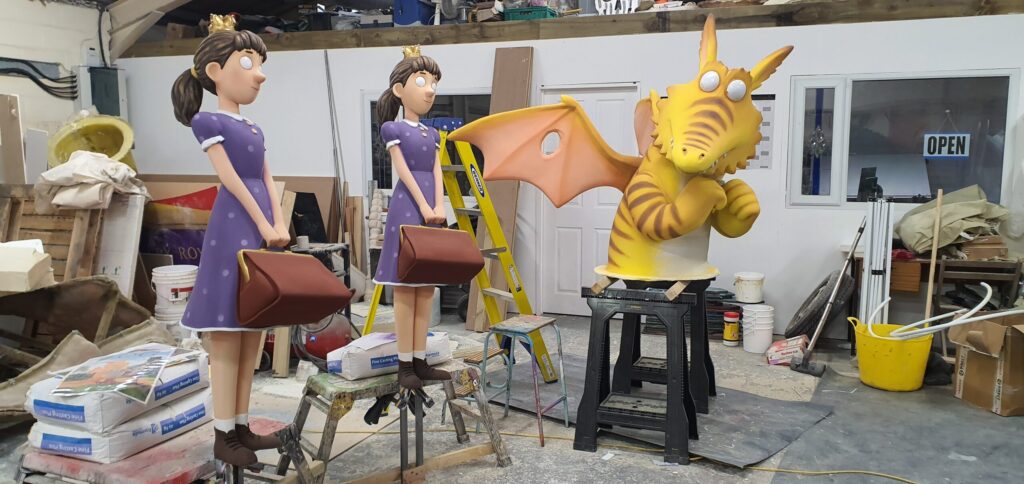
When working with an existing IP, it is normally important to follow strict guidelines around how characters are presented. When creating character models for Warwick Castle’s Zog Playland, we carefully studied reference images and pre-existing Zog stories. Part of the importance of staying true to the original characters was to ensure the models appealed to the target audience. Not only had these characters been carefully designed for young children, but many guests to Warwick Castle may already have their own understandings of the characters, formed while reading the Zog books or playing with Zog toys. We could not contradict those understandings by veering from the established limitations.
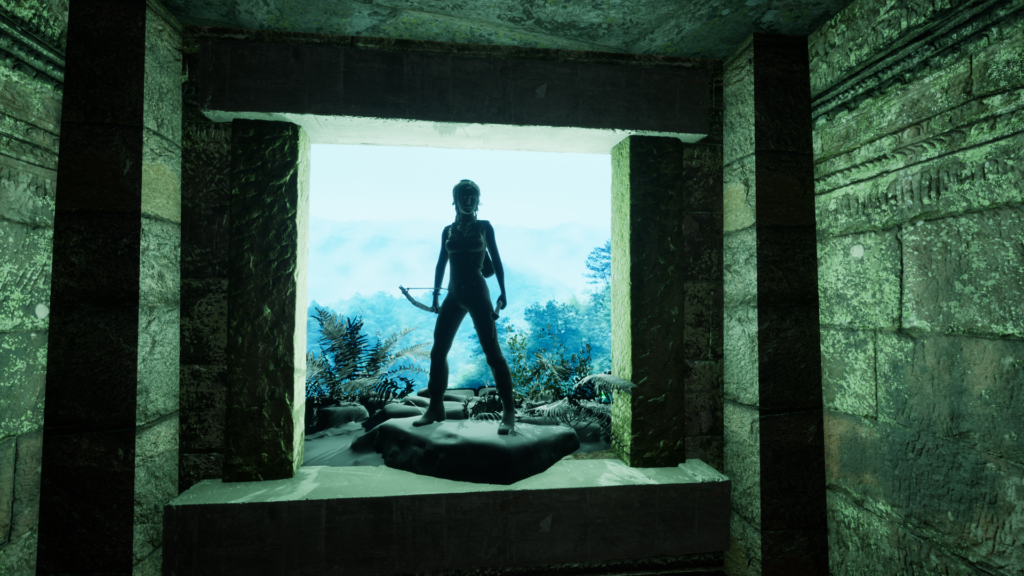
In 2022, we produced 3D concepts for The Tomb Raider Live Experience, but the iconic Lara Croft wouldn’t be clearly seen. This IP character was reflected in the lore and familiar imagery that was tied into the environments.
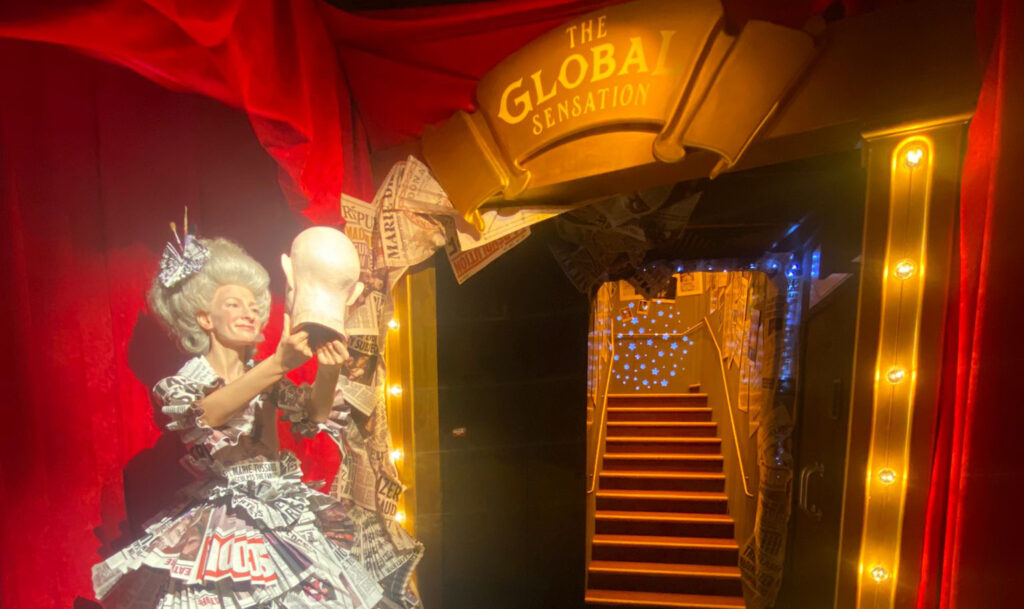
The same kind of approach applied when we created a set for Marie Tussauds’ figure at Madame Tussauds London. When representing an historical individual, the designer must balance historical accuracy with any theatricality necessary to tell the individual’s story effectively. Theatricality should not misrepresent a real-life individual, but it can also be helpful to engage guests.
For the Chamber of Horrors at Madame Tussauds London, we suggested some smells for different scenes. Like audio, a smell can tell guests a lot about a character (including where they are from, what they have been up to, how they present themselves etc.). Us humans can’t help but assume things about a person’s background if that person’s hands smell of expensive soap, if their clothes smell of fish, or if their house smells of rotting bodies.

Once you have a character in mind, and you know how you’d like to present them, there are a few things you might want to keep in mind:
- Don’t get too complex with backstories. In an attraction, a character may only be seen briefly, and the story often has to be communicated within a few seconds. Keep background details basic, and save the rest for ‘Easter eggs’!
- If you want guests to feel like the story’s hero, don’t let one of your characters take the limelight from them! Even in a ride named after a superhero, the real goal is often to make the guest feel like the hero.
- Ensure your designs are in keeping with the audience and theme.
If you are looking to use character-driven story in your project and would like some help, don’t hesitate to get in touch!